MxDW2-air Laptop Cooling Features
LAPTOP COOLING FEATURES

MacBook Air Clamshell Cooling
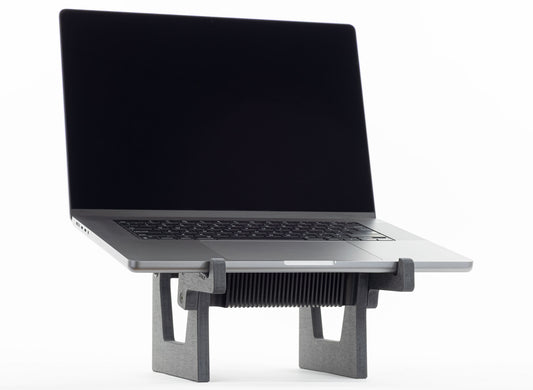
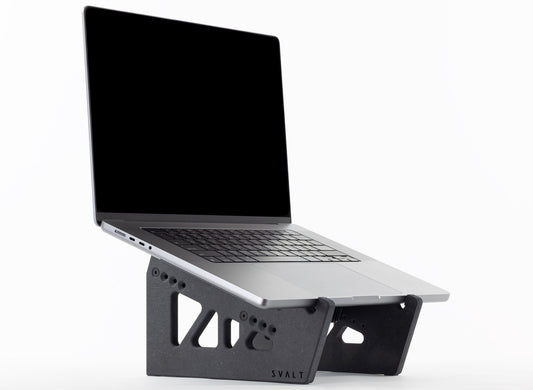
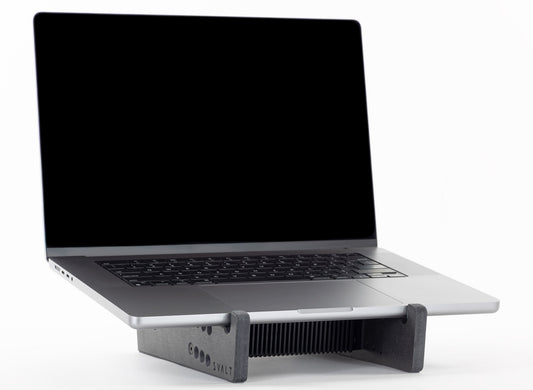
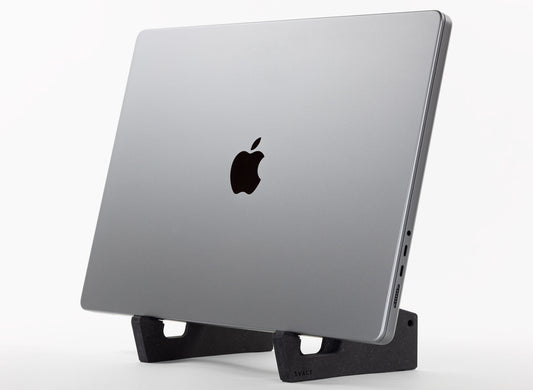
The new v2.1 MacBook Air Cooling Dock Supports use a new design for improved clamshell cooling capabilities with the latest smaller and thinner 2023+ 15-inch and 2022+ 13-inch MacBook Air.

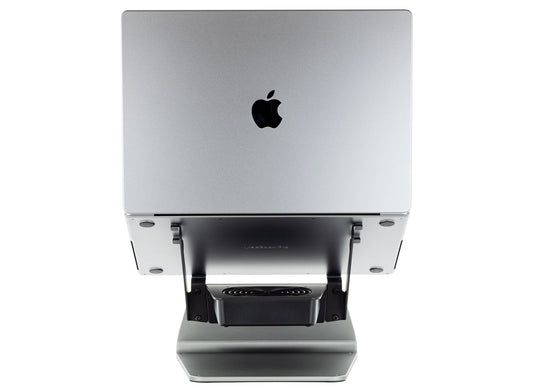
MacBook Air Clamshell Heatsink
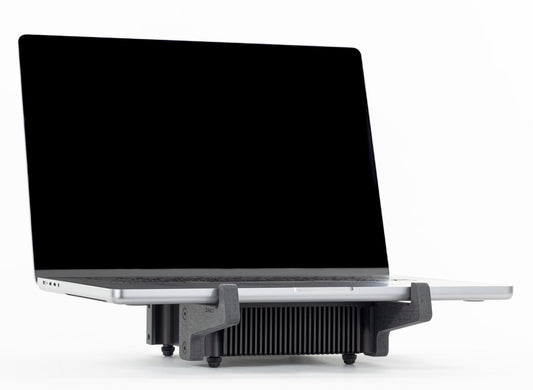
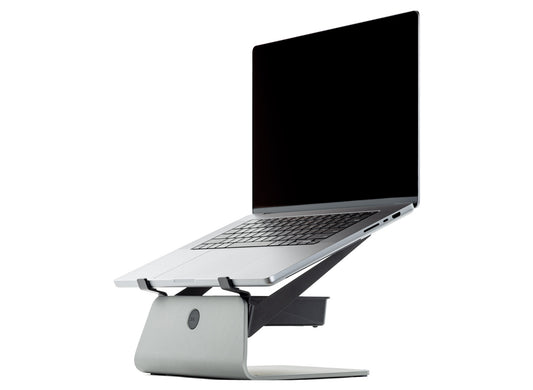
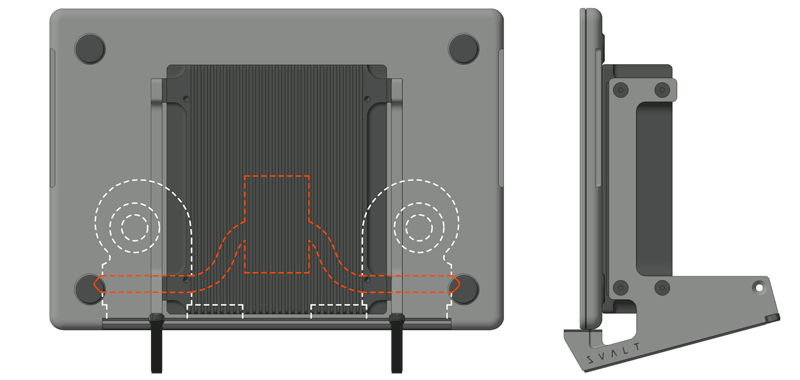
The new v2.1 MacBook Air Cooling Dock Supports and heatsink have been designed for seamless integration and optimal performance with the latest MacBook Air.
By creating dedicated supports for the MacBook Air that lacks a built-in fan cooling system, the design could be optimized for the MacBook Air in ways that would have negatively impacted MacBook Pro performance.
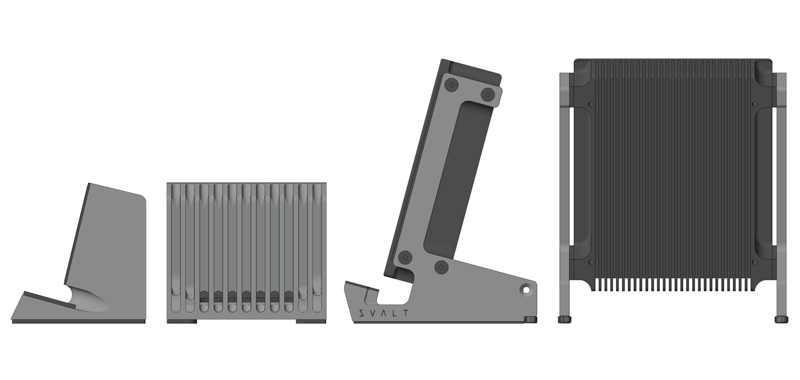
For instance, the MacBook Air dock supports position the heatsink down along the bottom edge of the MacBook Air. This centers more of the heatsink mass at the MacBook Air’s processor location. Before creating dedicated supports for the MacBook Air, positioning the heatsink along the laptop’s bottom edge would have exposed the heatsink to the MacBook Pro’s hot exhaust vents.
As with all SVALT Cooling Docks, the new v2.1 MacBook Air Cooling Dock Supports use a leaning clamshell design instead of a design that hold the laptop in a straight and vertical position. The learning design maintains contact pressure on the heatsink’s thermally conductive coupling plate for improved heat transfer.

Extensive Compatibility
The dock supports use a leaning laptop position instead of a straight vertical position to maintain contact pressure on the heatsink’s thermally conductive coupling plate for improved heat transfer, and for easier clamshell mode setup. The leaning position also helps to accommodate a wider range of laptop models and sizes, as well as tablets and other devices. See the Compatibility Specs to learn more.
-
Cooling Stand MxSW2-hi
Regular price From $399.00 USDRegular price$309.00 USDSale price From $399.00 USD -
Cooling Stand MxSW-hi
Regular price From $389.00 USDRegular price$309.00 USDSale price From $389.00 USD -
Cooling Stand MxSW2-lo
Regular price From $379.00 USDRegular price$309.00 USDSale price From $379.00 USD -
Cooling Stand MxSW-lo
Regular price From $379.00 USDRegular price$289.00 USDSale price From $379.00 USD -
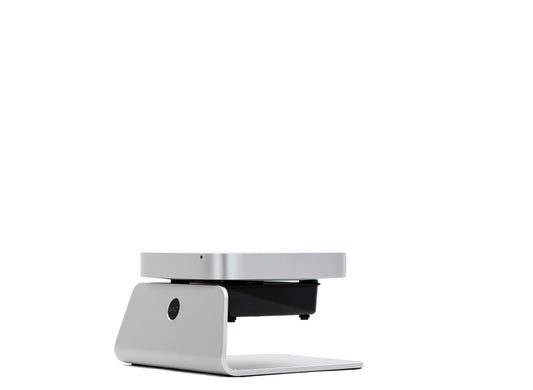
Cooling Dock MxDW2
Regular price From $389.00 USDRegular price$299.00 USDSale price From $389.00 USD -
Cooling Stand Sx
Regular price From $279.00 USDRegular price -
Cooling Stand SxM
Regular price From $279.00 USDRegular price





Product Selection Guides
-
 Compare
 product features and specifications.
-
 Laptops
Recommended products for your laptop model.
-
 Performance
 testing with a variety of laptops.