Mx2 10 materials specs
MATERIAL SPECIFICATIONS
WOOD MATERIAL
Black-core Fiber
Made from 89% renewable, 100% recovered (reduce waste and emissions), low-formaldehyde (no added formaldehyde), moisture-resistant, high-density wood fiber material. The material has a through-core solid-black color with a hard, fine and smoothly sanded face surface that has a charcoal black appearance with light color fiber flecks.
White Hardwood
Made from 9 layers of high-quality baltic birch hardwood veneers to create a solid void-free multi-ply core with formaldehyde-free binder. The baltic birch has a creamy or pale white/beige hue with mostly clear, uniform and light wood grain. The top face has a finely sanded surface without knots or plugs, and the milled edge has alternating light and dark stripes created by the dense, multi-ply construction.
Amber Bamboo
Made from fast-growing, rapidly-renewable and sustainable bamboo in a solid void-free 3-ply vertical edge construction with formaldehyde-free binder. Bamboo ply material makes for exceedingly durable, strong, light, and consistently high-quality milled parts. The bamboo has an amber golden-brown hue produced by caramelizing naturally occurring sugars within the bamboo. The face surface has a smooth finish, and the milled edge shows the two surface layers over the central core layer.
Thickness
Approximately 1/2” thick material with +0.010 / -0.025 inch.
Finish
Unfinished flat face and edge surfaces. The materials are not sealed or coated, and they are left with a more “natural” appearance. While the materials do not require an applied finish, if customers prefer a darker color, brighter reflectivity and aesthetics of an applied finish, then they can choose to apply a wood finish such as linseed oil. Note that if applying a finish treatment, then avoid contacting pads and avoid getting near the pad’s adhesive area as it could result in adhesion failure.
Cleaning
Wipe with a slightly damp cloth, and add a mild dish soap if needed. Note to avoid exposure with no more moisture than a slightly damp cloth, and avoid exposing pad adhesive to moisture.
Variation
As an organic plant based material, there can be variations within an individual part and between parts, which can include changes in color tone (warmer or cooler), color tint (darker or lighter), changes in texture (smoother or rougher), and elements such as knots and small material voids. As a result of variability in material appearance, material sourcing and material availability, the material used for each customer order is subject to change. Product photos are approximate representations of each material type. Material details will be changed and/or updated here within specifications when possible.
ALUMINUM MATERIAL
Material Description
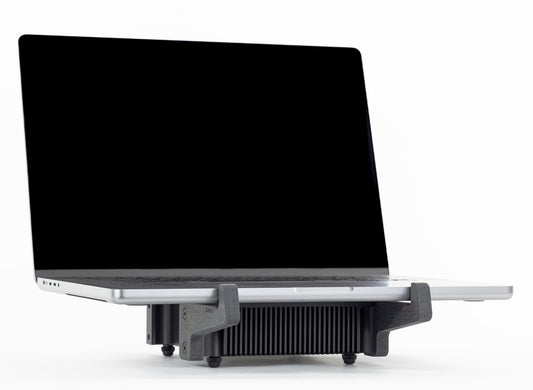
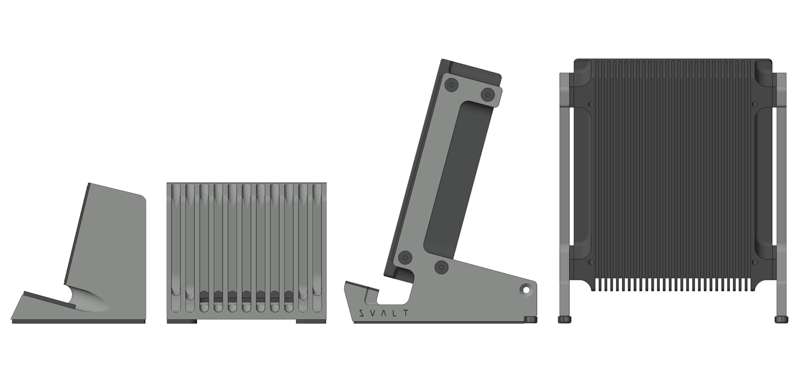
Heatsink milled from solid 6061-T6 aluminum bar stock.
Available Finishes and Colors
The aluminum heatsink is available with the following finish/color options:
- Deep Matte Black Anodize: A deep matte black anodized aluminum with hand and mill finish surfaces.
- Raw Aluminum: Raw aluminum with hand and mill finish surfaces have a mildly bright “silver” like appearance.
Cooling Performance
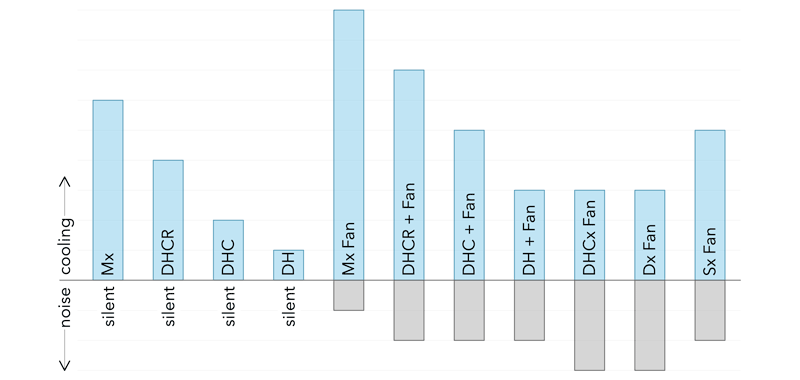
The heatsink with a dark anodize aluminum finish has a slight improvement in emissivity for increased radiant cooling compared to the heatsink with raw aluminum finish, and the new deep matte black finish has a slight improvement over the prior space black finish. This is only a slight improvement that is most apparent with passive airflow cooling, and is less notable when a fan is added to provide active airflow cooling.
Surface Conditions
The top coupling plate of the heatsink is hand finished to create an extra smooth and flat surface for maximum heatsink cooling performance. The coupling plate surface prioritizes functional performance and may not be visually even and consistent. The rest of the heatsink has a CNC machined / milled finish. The interior walls of the cooling fins and cooling fin channels may have a slightly rougher machined finish as the result of fabricating the incredibly thin cooling fin and incredibly narrow cooling channels required to achieve the exceptionally high levels of cooling surface area within a heatsink made from a solid block of aluminum.
Surface Finish for Anodized Aluminum
An anodize finish applied to the raw aluminum increases the thickness of the aluminum’s natural oxide layer, making it more resistant to wear, scratches, and corrosion. The anodize process includes a dye, sealant and other steps to improve appearance and durability. The heatsink’s top coupling plate surface prioritizes functional performance and may not be visually even and consistent. The heatsink’s new deep matte black finish prioritizes cooling performance and so has a more dull appearance.
Surface Finish for Raw Aluminum
Raw aluminum is a strong and enduring material that is naturally resistant to corrosion and does not “rust” like steel. Raw aluminum is inherently stable as the surface forms a thin and protective layer of oxide on the surface when exposed to air, which is a natural type of anodize finish that helps prevent further corrosion. The surface appearance will patina and change over time as a result of this oxidization process, as well as reacting to sunlight, moisture, fingerprints, and other factors.
Care for Raw Aluminum
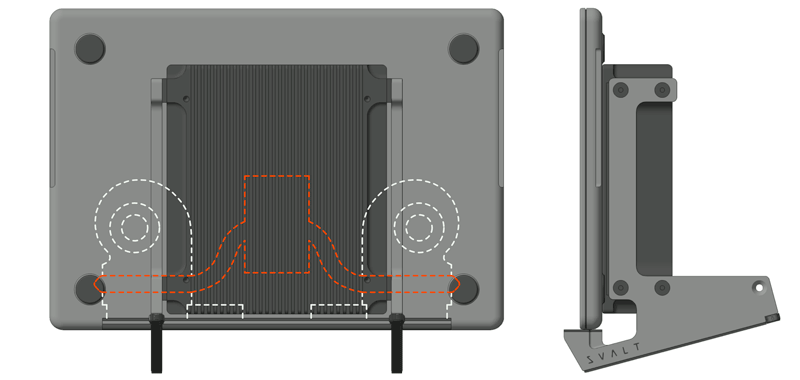
Keep raw aluminum dry. When handling the heatsink’s top surface laptop coupling plate care should be taken to prevent scratches and exposure to substances that can leave a mark, including finger prints. Surface scratches, marks or other changes to the cosmetic surface may occur over time. Customers may prefer the patina and “weathered” surface appearance, or they can recondition and brighten surfaces as desired. With proper care aluminum can endure for decades and centuries.
Cleaning Anodized Aluminum
Wipe surface with a soft cloth or sponge that is dampened with warm water. Add a mild dish soap if needed. For the heatsink’s top coupling surface, it is recommended to work with the surfaces existing grain from the top-to-bottom and not from side-to-side.
Cleaning and Reconditioning Raw Aluminum
Wipe surface with a soft cloth or sponge that is dampened with warm water. Add a mild dish soap if needed. Additional steps can be used to clean and/or recondition raw aluminum surfaces, including polishing with a polishing product made specifically for use with raw aluminum. Additional steps can be taken as needed to restore or repair, such wet sanding with a fine grain sand paper. Make sure to fully dry raw aluminum with a soft towel and then leave surfaces uncovered to air dry after any cleaning or restoration. For all of the above options, it is recommended to work with the heatsink’s top coupling surface grain that runs from the top-to-bottom and do not work from side-to-side.
Warning
Do not use chemical cleaners, solvents or other substances unless they are specially designed for use with anodized or raw aluminum. Avoid exposing pad adhesive to moisture.






 Compare
 Laptops
 Performance